
Wisdom Tooth Removal Dubai: What to Expect
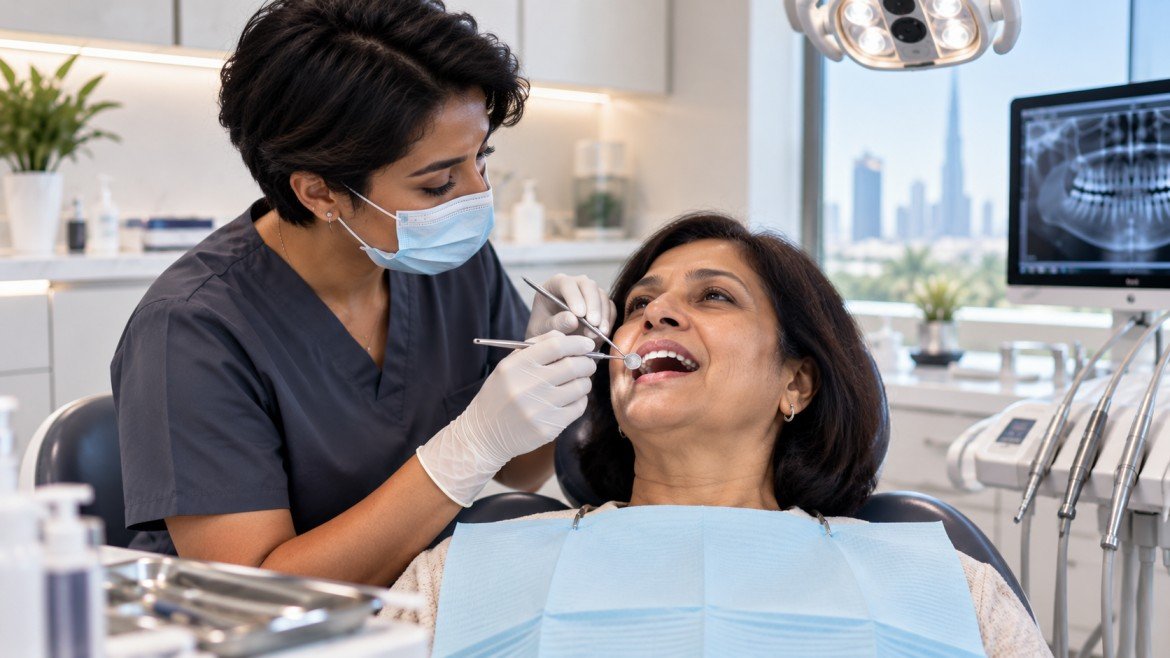
If your dentist just told you a wisdom tooth needs to come out, your mind probably jumped straight to the horror stories, swollen cheeks, days off work, and a very unpleasant afternoon in the chair. Take a breath. For most people, it’s a lot less dramatic than the internet makes it sound.
Here’s exactly what to expect, step by step, with real numbers so you’re not going in blind.
Why Wisdom Teeth Cause Problems in the First Place
Wisdom teeth, or third molars, are the last teeth to come in, usually between ages 17 and 25. The problem is simple: most jaws don’t have enough room for them. When there’s no space, the tooth either grows in at an angle, gets stuck under the gum, or only partially breaks through.
This is called impaction, and it’s incredibly common. Around 7 in 10 young adults have at least one impacted wisdom tooth. It’s not a rare complication, it’s closer to the norm.
Signs You Might Need One Removed
You don’t always feel pain right away, but watch for:
-
Pain or pressure at the back of your jaw
-
Swollen or tender gums near the back molars
-
Difficulty opening your mouth fully
-
Bad breath or an odd taste that won’t go away, even with brushing
-
Crowding or shifting in your other teeth
-
Repeated infections or swelling in the same spot
If you’re noticing any of these, it’s worth getting an X-ray rather than waiting it out. Wisdom teeth problems tend to get worse, not better, on their own.
Simple vs. Surgical Extraction: What’s the Difference?
This is the single biggest factor in both your experience and your cost.
Simple extraction: The tooth has fully come through the gum and is accessible, similar to pulling any other tooth. It’s quick, done under local anesthesia, and usually wraps up in 15–20 minutes.
Surgical extraction: the tooth is impacted (stuck under gum or bone, or growing sideways). Your dentist needs to make a small incision, sometimes remove a bit of bone, and occasionally section the tooth into pieces to remove it more easily. It takes longer and may involve stitches, but it’s still a routine outpatient procedure, not the ordeal people imagine.
Your dentist will only know which one you need after looking at an X-ray. Anyone quoting you a price without seeing your X-ray first is genuinely just guessing.
Wisdom Tooth Removal Cost in Dubai (2026)
Cost depends almost entirely on how impacted the tooth is. Here’s a realistic range:
|
Type of Extraction |
Typical Cost (AED) |
|
Simple extraction (fully erupted) |
300 – 800 |
|
Surgical (partially impacted) |
800 – 1,500 |
|
Complex (fully impacted, bone involved) |
1,500 – 3,000 |
|
All 4 wisdom teeth (single session) |
2,000 – 6,000 |
A few things to check before you book:
-
X-rays are usually charged separately from the extraction itself
-
Sedation (if you want to be more relaxed than local anaesthesia alone) often costs extra
-
Multi tooth discounts are common if you’re having more than one removed in the same visit
-
Ask for a written, itemized quote, a clinic that won’t give you one upfront isn’t one you want doing the actual surgery
What Actually Happens During the Procedure
Here’s the real, unglamorous sequence, not the dramatized version:
-
Numbing. Local anesthetic is injected around the tooth. You’ll feel a pinch, then numbness within a few minutes.
-
Pressure, not pain. During the extraction, you’ll feel pressure and movement, but not sharp pain. If you do feel pain at any point, speak up immediately so more anesthetic can be given.
-
Removal. For simple extractions, the tooth is loosened and lifted out. For surgical cases, your dentist may need to remove a small amount of bone or section the tooth for easier removal.
-
Stitches (if needed). Surgical extractions often need a few dissolvable stitches to help the gum heal cleanly.
-
Gauze and bite pressure. You’ll bite down on gauze for 30-45 minutes to help a blood clot form; this clot is critical for healing, so don’t skip this step.
Most appointments, start to finish, take between 20 and 60 minutes per tooth.
Recovery: Day by Day
Day 1-2: Expect some swelling, mild bleeding, and soreness. Stick to soft foods (soup, mashed potatoes, yoghurt) and avoid using a straw, the suction can dislodge the healing blood clot and cause a painful complication called dry socket.
Day 3-5: Swelling starts going down. Most people feel comfortable returning to normal light activities and desk work by this point.
Week 2: Any stitches typically dissolve or are checked at a follow up visit. Most soreness is gone.
Week 4-6: Full bone healing continues in the background, even though you’ll feel completely normal well before this.
Avoiding Dry Socket (The Most Common Complication)
Dry socket happens when the blood clot at the extraction site gets dislodged too early, exposing bone and nerve. It’s painful, but very preventable. To lower your risk:
-
Don’t use straws for at least 3-4 days
-
Avoid smoking or vaping; this is one of the biggest risk factors
-
Don’t rinse forcefully or spit hard in the first 24 hours
-
Stick to soft foods and avoid chewing near the extraction site
-
Follow your dentist’s aftercare instructions exactly, even after the pain fades
Smokers, people over 30, and women on oral contraceptives have a statistically higher risk, so if you fall into one of these groups, be extra careful with aftercare.
Do You Need Sedation?
Not necessarily. Most simple and even many surgical extractions are done comfortably under local anesthesia alone. Sedation is worth discussing if:
-
You have significant dental anxiety
-
You’re having multiple wisdom teeth removed in one sitting
-
Your case is a complex, fully impacted extraction
Ask your dentist honestly what they’d recommend for your specific case rather than requesting sedation by default, it adds cost and recovery time that isn’t always necessary.
Should You Wait, or Get It Done Now?
Putting it off doesn’t usually make things easier. Impacted wisdom teeth tend to cause more crowding, more infections, and more complicated extractions the longer they’re left untreated. If your dentist has flagged it and you’re already having symptoms, earlier removal is almost always simpler, both for your recovery and your wallet.
Our Honest Take
Wisdom tooth removal has a bad reputation it doesn’t fully deserve. For most patients, it’s a routine procedure with a manageable recovery, not the ordeal social media makes it out to be. What actually matters is getting an honest assessment first: a clear X ray, a straightforward explanation of simple vs. surgical, and a written quote before you commit to anything.
If you’re dealing with jaw pain, swelling, or a dentist’s recommendation you want a second opinion on, book a consultation with us at Dentism in JLT. We’ll walk you through your X ray, explain exactly what your case needs, and give you a straight answer, no guesswork, no pressure.
Frequently Asked Questions
The cost of wisdom tooth removal in Dubai depends on whether the tooth is fully erupted, partially impacted, or deeply impacted in the bone. Simple extractions are generally less expensive than surgical extractions. Your final price may also depend on X rays, sedation, the complexity of the procedure, and whether multiple teeth are removed.
Wisdom tooth removal should not be painful during the procedure because the area is numbed with local anaesthetic. You may feel pressure, movement, or pulling while the tooth is being removed. Some soreness, swelling, and discomfort are normal after the anaesthetic wears off and can usually be managed by following your dentist’s aftercare instructions.
A simple wisdom tooth extraction may take around 15–20 minutes, while a surgical extraction can take longer depending on the position of the tooth. The overall appointment may take approximately 20–60 minutes per tooth, including preparation and post procedure instructions.
A simple extraction is usually performed when the wisdom tooth has fully erupted and can be accessed easily. A surgical extraction is needed when the tooth is impacted, partially covered by gum or bone, or growing at an unusual angle. Surgical removal may involve a small gum incision, removal of some bone, or sectioning the tooth into smaller pieces.
Most people experience the most swelling and soreness during the first few days after extraction. Swelling generally starts to improve around days 3–5, while most discomfort settles within one to two weeks. The gum may heal before the underlying bone has completely healed, so your dentist’s aftercare instructions should be followed throughout recovery.
Soft foods are usually easiest during the first few days after wisdom tooth removal. Options can include yoghurt, mashed potatoes, soups that are not hot, smoothies eaten without a straw, scrambled eggs, and other soft foods. Gradually return to your normal diet as the extraction site becomes more comfortable, while avoiding foods that could irritate or become trapped in the area.
To reduce the risk of dry socket, avoid smoking and vaping, using straws, forceful rinsing, and vigorous spitting after your extraction. Follow your dentist’s instructions carefully and avoid disturbing the blood clot that forms over the extraction site. If you develop severe or worsening pain a few days after extraction, contact your dentist.
Many people can return to desk work or light activities within a few days, particularly after a straightforward extraction. More complex surgical extractions may require additional recovery time. Your ability to return to work depends on the number of teeth removed, the complexity of the extraction, and how your body responds to the procedure.
Not everyone needs sedation. Many wisdom tooth extractions can be completed comfortably using local anaesthesia alone. Sedation may be worth discussing if you have significant dental anxiety, are having several wisdom teeth removed at once, or require a particularly complex extraction. Your dentist can recommend the most appropriate option after assessing your case.
Wisdom teeth may need to be removed when they cause repeated infections, pain, swelling, decay, gum problems, damage to nearby teeth, or other complications. Impacted wisdom teeth do not always require immediate removal, so the decision should be based on an examination and appropriate dental X-rays rather than symptoms alone.
Yes, in suitable cases, multiple or all four wisdom teeth can be removed during the same appointment. Whether this is recommended depends on the position and complexity of each tooth, your overall dental health, and the expected recovery. Removing several teeth at once can also mean going through one recovery period rather than separate procedures.
It is generally advisable to avoid strenuous exercise immediately after wisdom tooth removal because increased blood pressure can contribute to bleeding and may interfere with healing. Light activity can usually be resumed as you feel comfortable, while your dentist can advise when it is safe to return to intense exercise based on the complexity of your extraction.