
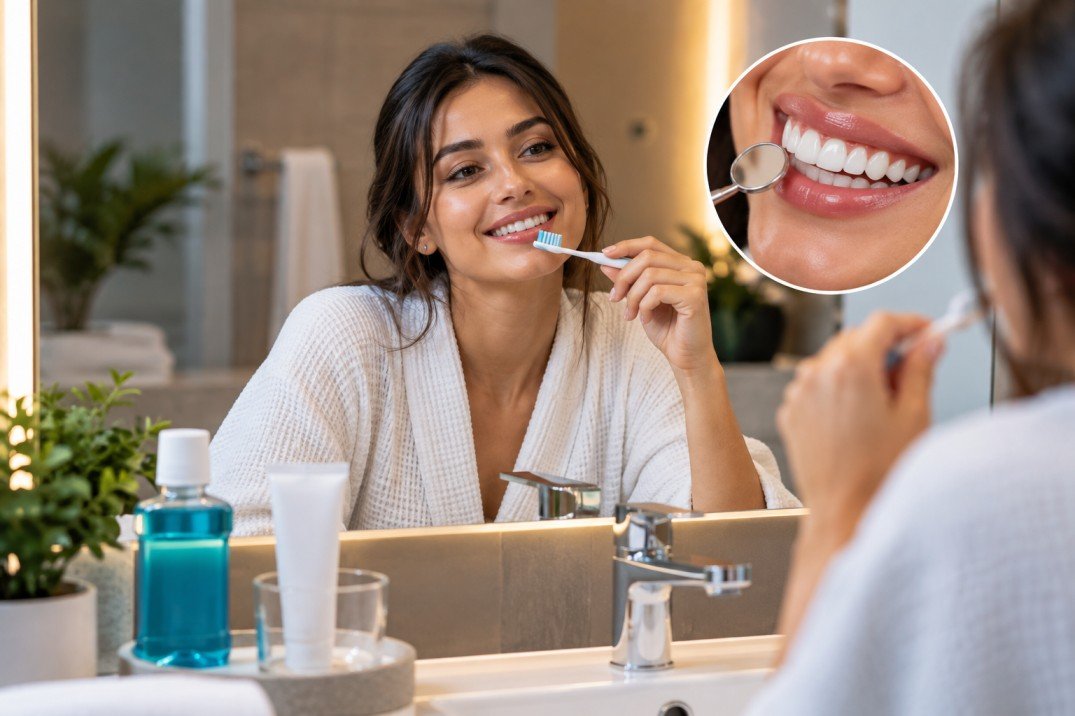
So you have got your new veneers, your smile finally looks the way you always wanted it to. Now comes the part most patients don’t think enough about: keeping them that way.
Veneers are a real investment, both financially and in terms of the treatment itself. The good news? With the right care, they can last well over a decade. Here’s exactly how to protect that investment.
Why Veneer Aftercare Actually Matters
Unlike your natural teeth, veneers can’t repair themselves, and porcelain doesn’t respond to whitening treatments the way natural enamel does. If they chip, stain, or come loose, you’re looking at a repair or replacement, not a quick fix.
The good news is that veneer care isn’t complicated. It’s mostly about small daily habits, not major lifestyle changes.
Your Daily Oral Hygiene Routine
Veneers don’t need special toothpaste or a totally different routine, but a few small adjustments make a big difference.
Brush twice a day, using a soft bristled toothbrush. Veneers are durable, but aggressive brushing can wear down the edges over time.
Avoid abrasive or whitening toothpaste. These are designed to polish away surface stains on natural enamel, and the abrasive particles can dull the surface of porcelain over time. A regular, non abrasive fluoride toothpaste is best.
Floss daily, especially around the edges where the veneer meets your gum line. This is where plaque tends to build up unnoticed.
Consider an alcohol free mouthwash. Alcohol based rinses can weaken the bonding cement over time with frequent use.
Foods and Habits to Avoid
This is the section most patients actually need, and the pain point we hear about most often: “What can I still eat and drink?”
The honest answer: almost everything, in moderation. But a few specific habits are worth avoiding:
Biting directly into hard foods.
Whole apples, raw carrots, ice, hard candy. Cut these into smaller pieces instead of biting straight into them with your front teeth.
Using your teeth as tools.
Opening packaging, tearing tags, or cracking nuts. This is one of the most common (and most avoidable) causes of veneer chipping.
Chewing ice.
This one deserves its own mention, it’s a habit many people don’t realize is damaging until a veneer chips.
Heavy staining foods and drinks in excess.
Coffee, tea, red wine, turmeric based dishes. Veneers are more stain resistant than natural teeth, but they’re not stain proof, especially at the bonding margins.
Smoking or shisha.
Beyond the general health impact, tobacco staining can affect the appearance of veneers over time, particularly around the edges.
Managing Sensitivity After Treatment
Some patients notice mild sensitivity to hot or cold in the days following veneer placement. This is normal and usually settles within a week or two. If sensitivity persists beyond that or feels sharp rather than mild, it’s worth mentioning to your dentist, it could indicate a bite adjustment is needed.
Protecting Veneers From Physical Damage
A few habits go a long way in preventing accidental damage:
If you grind your teeth at night (bruxism), ask your dentist about a custom night guard. Grinding is one of the leading causes of veneer chipping and cracking, and a night guard protects your investment while you sleep.
Wear a mouthguard during contact sports. A blow to the mouth can crack or dislodge a veneer just as easily as a natural tooth.
Don’t skip check ups, even if nothing feels wrong. Your dentist can catch early signs of wear, a loosening veneer, or bite issues before they become a bigger (and more expensive) problem.
Regular Dental Visits Still Matter
Veneers don’t mean you’re done with regular dental care,if anything, consistent chec ups matter more, since your dentist needs to monitor how the veneers are holding up alongside your natural teeth and gums.
We recommend a check up and professional cleaning every six months, the same interval recommended for natural teeth. This is also the best opportunity to catch small issues, like a slightly lifted edge or early staining at the margins, before they turn into bigger repairs.
Signs You Should Call Your Dentist
Don’t wait for your next scheduled check up if you notice:
A visible chip, crack, or rough edge
A veneer that feels loose or has shifted slightly
Persistent sensitivity that isn’t improving
Gum irritation or bleeding specifically around the veneer
Catching these early is almost always easier and less costly to fix than waiting.
How Long Will Your Veneers Actually Last?
With proper care, porcelain veneers typically last 10 to 15 years, and sometimes longer. Composite veneers, which are more affordable but less durable, generally last 5 to 7 years. The single biggest factor in how long yours last isn’t the material, it’s how consistently you follow the habits above.
Frequently Asked Questions
It’s best to avoid it. Whitening toothpaste is designed to polish stains off natural enamel using mild abrasives, but it won’t whiten porcelain and can gradually dull its surface. A regular, non abrasive fluoride toothpaste is the better daily choice.
Porcelain veneers are highly stain resistant, far more so than natural teeth, but not completely immune, particularly at the bonding edges. Composite veneers are more prone to staining than porcelain. Limiting heavy staining foods and drinks, and keeping up with regular cleanings, helps preserve their appearance.
Contact your dentist as soon as possible. Depending on the damage, a chipped veneer may be repairable, or it may need to be replaced entirely. Avoid using it normally (especially for biting) until it’s been assessed.
Whitening treatments won’t change the color of your veneers, only your natural teeth. If you’re considering whitening, it’s best to do it before getting veneers so your dentist can shade match them to your brightest natural result.
Yes, eventually. Porcelain veneers typically last 10-15 years before replacement is needed, usually due to normal wear, minor staining at the edges, or changes in your gum line over time. This is a normal part of long term veneer ownership, not a sign anything went wrong.
Some mild adjustment is normal in the first couple of weeks as your gums adapt to the new tooth contours. Ongoing irritation, redness, or bleeding specifically around a veneer is not normal and should be checked by your dentist.
Ready to find out which approach is right for your smile?Book a consultation with our cosmetic dentistry team at Dentism, JLT, we’ll give you an honest assessment, not a one size fits all sales pitch.